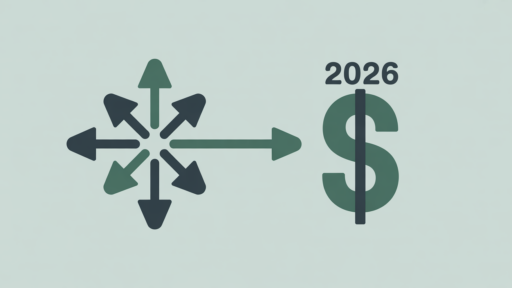
Feeling overwhelmed by a mountain of different bills each month? If you’re juggling payments for credit cards, medical expenses, and other high-interest debts, it’s easy to feel like you’re stuck on a financial treadmill. The stress of tracking multiple due dates and interest rates can be exhausting, making it hard to see a clear path forward.
Fortunately, there’s a powerful financial tool designed to simplify this exact situation: a debt consolidation loan. By combining all your outstanding balances into a single new loan, you can streamline your finances with one predictable monthly payment. This strategy can often secure you a lower interest rate, helping you save money and pay off your debt faster. Let’s explore the best options available as we look ahead to 2026.
What Exactly is a Debt Consolidation Loan?
Think of a debt consolidation loan as a financial reset button. It’s a type of personal loan you take out for the specific purpose of paying off your other existing debts. Instead of sending payments to multiple creditors, you’ll use the funds from your new loan to clear those balances. From that point on, you only have to manage one loan with one lender.
The primary benefits of this approach are:
- Simplicity: One loan, one monthly payment, one due date. This makes budgeting significantly easier.
- Fixed Interest Rate: Most personal loans have a fixed Annual Percentage Rate (APR), so your payment amount won’t change over the life of the loan. This offers stability compared to variable-rate credit cards.
- Potential Savings: If your credit is in decent shape, you may qualify for an APR that is much lower than the rates on your credit cards, potentially saving you hundreds or even thousands in interest.
- A Clear End Date: Unlike credit cards, personal loans have a set repayment term (e.g., 3 to 5 years). You’ll know exactly when you’ll be debt-free.
Key Factors to Consider When Choosing a Loan
Not all consolidation loans are created equal. As you start comparing lenders, keep these critical factors in mind to find the best fit for your financial situation.
APR (Annual Percentage Rate)
This is the most important number to look at. The APR represents the total annual cost of borrowing money, including the interest rate and any mandatory fees. A lower APR means a less expensive loan. Always compare APRs between lenders to ensure you’re getting the most competitive offer.
Loan Terms and Repayment Period
The loan term is the length of time you have to repay the loan, typically ranging from 24 to 84 months. A shorter term means higher monthly payments but less interest paid overall. A longer term will give you lower, more manageable monthly payments, but you’ll pay more in interest over time. Choose a term that fits comfortably within your budget.
Fees and Penalties
Be on the lookout for extra costs. Some lenders charge an origination fee, which is a percentage of the loan amount deducted from your funds before you receive them. Also, check for any prepayment penalties, which are fees for paying off your loan early. The best lenders often have no origination fees or prepayment penalties.
Credit Score Requirements
Your credit score is the biggest factor in determining your eligibility and the APR you’ll be offered. Borrowers with excellent credit (720 and above) will qualify for the lowest rates. However, many lenders specialize in working with individuals with fair or even poor credit, though the rates will be higher.
Top Picks for Debt Consolidation Loans in 2026: A Comparison
While the market is always evolving, certain lenders consistently stand out for their competitive rates, flexible terms, and customer-friendly features. Here’s a look at what to expect from top-tier providers.
| Lender | Estimated APR Range | Loan Amounts | Best For |
|---|---|---|---|
| SoFi | 8.99% – 25.81% (with autopay) | $5,000 – $100,000 | Good-to-Excellent Credit & Member Perks |
| LightStream | 6.99% – 25.49% (with autopay) | $5,000 – $100,000 | Excellent Credit & No Fees |
| Upgrade | 8.49% – 35.99% | $1,000 – $50,000 | Fair Credit & Direct Creditor Payments |
| Discover | 7.99% – 24.99% | $2,500 – $40,000 | Customer Service & Flexible Terms |
Note: APRs and loan details are subject to change and depend on your creditworthiness. Always check with the lender for the most current information.
How to Apply for a Debt Consolidation Loan: A Step-by-Step Guide
The application process is more straightforward than you might think. Following these steps can help you secure the best possible loan for your needs.
- Check Your Credit Score: Know where you stand before you apply. You can get a free credit report from a service like Credit Karma or directly from the major credit bureaus. This will give you an idea of the rates you can expect.
- Calculate Your Total Debt: Make a list of all the debts you want to consolidate. Add up the total amount to determine how large of a loan you need.
- Shop Around and Pre-Qualify: Most online lenders allow you to pre-qualify for a loan with a soft credit check, which does not impact your credit score. This is the best way to see your potential rates from multiple lenders. You can make an informed decision by finding the best debt consolidation loans through comparison.
- Gather Your Documents: Lenders will typically ask for proof of identity (like a driver’s license), proof of income (pay stubs or tax returns), and bank statements. Having these ready will speed up the process.
- Formally Apply and Close: Once you’ve chosen the best offer, complete the formal application. After approval, the lender will either deposit the funds directly into your bank account or, in some cases, send payments directly to your creditors.
Pros and Cons of Debt Consolidation
While a powerful tool, it’s important to weigh the benefits against the potential downsides. For a deep dive into the subject, resources dedicated to helping you compare options are invaluable. Many consumers turn to expert reviews for the best debt consolidation loans to guide their decision.
The Advantages
- One Simple Payment: Reduces the mental load of tracking multiple bills.
- Fixed Payments and Timeline: Makes budgeting predictable and provides a clear date for when you will be debt-free.
- Lower Interest Rate: Can save you significant money compared to high-APR credit cards.
- Credit Score Boost: Consistently making on-time payments on your new loan can positively impact your credit score over time.
The Potential Drawbacks
- Doesn’t Address Spending Habits: A loan doesn’t fix the underlying behaviors that led to debt. It’s crucial to commit to a budget.
- Origination Fees: Some loans come with fees that reduce the total amount you receive.
- Risk of More Debt: Once your credit cards are paid off, it can be tempting to use them again, potentially leading to an even larger debt burden.
Frequently Asked Questions (FAQ)
Can I get a debt consolidation loan with bad credit?
Yes, it’s possible. Some lenders specialize in loans for borrowers with fair or bad credit, but you should expect a higher APR. Another option could be a secured loan, where you provide collateral like a car, which can help you get approved with better terms.
How does a debt consolidation loan affect my credit score?
Initially, your score might dip slightly due to the hard inquiry from the formal application. However, the long-term effects are generally positive. Reducing your credit card balances lowers your credit utilization ratio, and a history of on-time payments on the new loan will help build a stronger credit profile.
What is the difference between debt consolidation and debt settlement?
This is a critical distinction. Debt consolidation involves paying off your debts in full with a new loan. Debt settlement involves negotiating with your creditors to pay back less than you owe. While it may sound appealing, debt settlement severely damages your credit score for many years and should be considered a last resort.
Is a Debt Consolidation Loan Right for You?
A personal loan for debt consolidation can be a game-changer if you have a solid plan to pay it off and avoid accumulating new debt. It offers a structured, simplified path out of a complex financial situation. The key is to see it not as a magic solution, but as a strategic tool to regain control.
By carefully evaluating your finances, understanding what debt consolidation truly is, and choosing a reputable lender, you can take a significant and positive step toward a debt-free future. The journey begins with that first decision to organize, simplify, and conquer your debt for good.